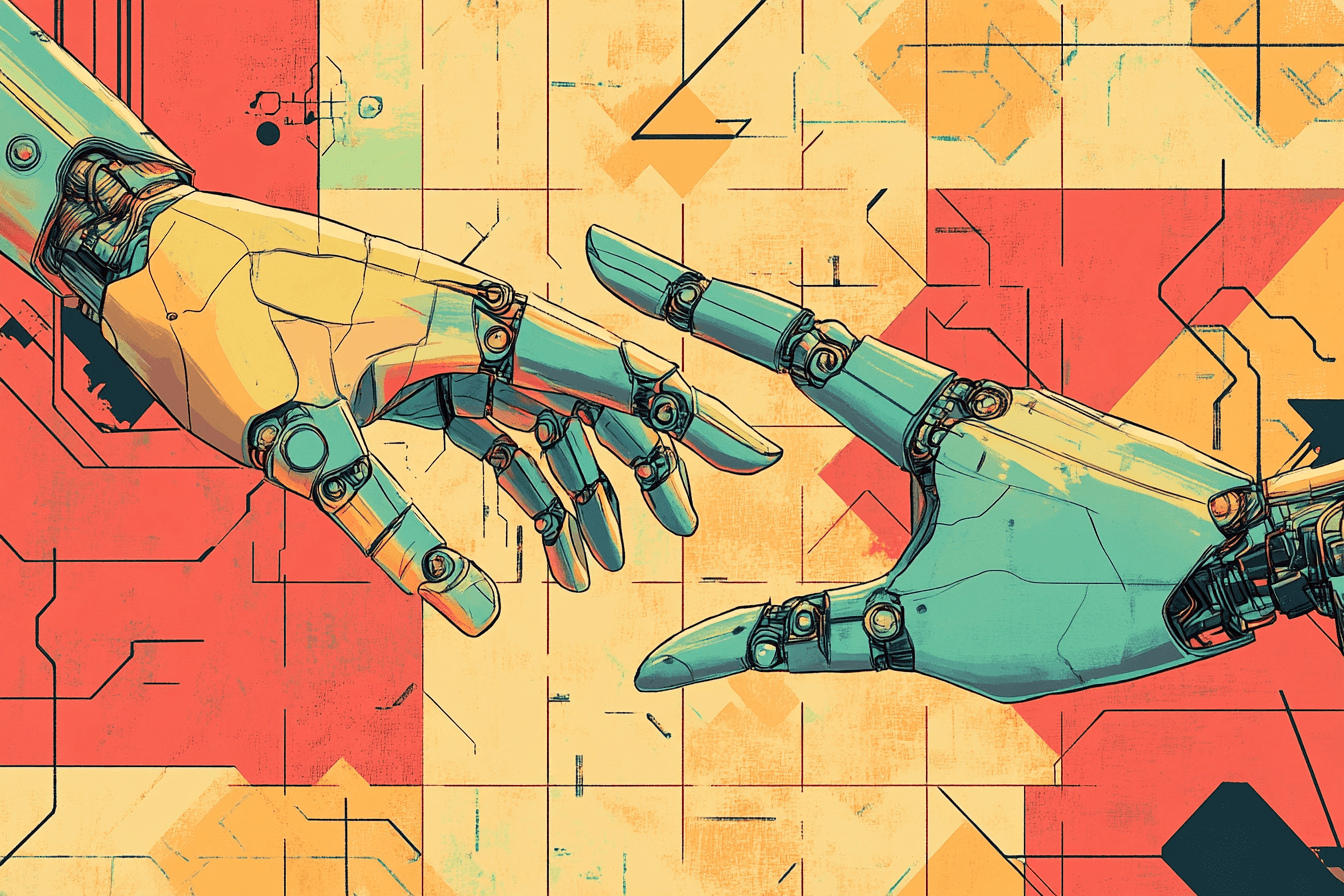
AI is making big waves in the insurance world, especially when it comes to handling claims. With the rise of generative AI, there's hope that workers’ compensation adjusters will finally get some much-needed help. This tech is not only speeding things up but also making communication smoother and improving the overall customer experience by reaching resolutions faster.
Embracing AI in Claims Management
The insurance industry is seeing rapid advancements in AI, particularly in claims management. Generative AI, which includes creating content like text and images, is becoming more common across various sectors. It's not just about analyzing data anymore; it's about creating new possibilities. Tools like ChatGPT and Microsoft Copilot are helping bring AI into everyday use, from banking to healthcare.
In the realm of insurance, AI is particularly promising in claims management. Analysts predict that generative AI could bring a $100 billion opportunity in property and casualty claims by slashing loss-adjusting costs and reducing errors. However, to truly benefit, insurers need to focus their efforts wisely and be ready for some organizational changes.
Enhancing Efficiency and Decision-Making
AI is transforming claims management by making processes more efficient. It takes away the tedious, time-consuming tasks of organizing notes and documents. AI chatbots can quickly summarize vast amounts of information, helping adjusters get up to speed on claims faster. This technology also aids in summarizing calls and generating transcripts, making it easier for adjusters to focus on what really matters.
AI tools like Regal.ai and Talkie.ai are revolutionizing how customers initiate claims, using voicebots to ask the right questions and relay information to human adjusters. This not only speeds up the process but also enhances the customer experience.
Advanced Applications and Risk Mitigation
AI isn't just about efficiency; it's also about making smarter decisions. Machine learning models can help determine important aspects of a claim, like whether a claim needs clinical guidance. They can even analyze trends to flag potential fraud cases. Some insurers are already using AI for straight-through processing of simple claims, freeing up human adjusters for more complex cases.
Despite its benefits, AI comes with its own set of challenges. Insurers must implement AI carefully to protect data and comply with industry standards. One risk is "hallucinations," where AI gives incorrect responses due to poor training or prompts. Therefore, AI models need to be tested thoroughly against human experts to ensure accuracy.
Balancing AI with Human Touch
AI in insurance is not a one-time setup; it requires ongoing training and refinement. Change management is crucial, and insurers should have dedicated roles for AI governance and training. It's important to strike a balance between AI and human interaction. While AI can handle routine tasks, human empathy and communication are irreplaceable in claims resolution.
In the future, many straightforward claims might be fully automated, but the human touch will always be essential. After all, being an adjuster isn't just about processing claims—it's about showing compassion and effectively communicating with people. The key is finding the right mix of AI and human expertise to deliver the best outcomes.
Think of AI in claims management like a skilled sous-chef in a bustling kitchen - it handles the prep work and repetitive tasks with precision and speed, allowing the head chef to focus on crafting the perfect dish with a personal touch, ensuring every customer leaves satisfied and valued.

Book free 15 min call
Want to use AI potential in Your business but don't know how? Book free consultation and let's find out together.
